Technology is connected deeply to the businesses based on their activities in today’s fast moving world. To manage their every day tasks, the majority of companies depend on both Information Technology (IT) and Operational Technology (OT). IT involves computers, software, and networks that are utilized to store, process, and share data. OT, involves the tools and machines utilized to control the physical operations, like manufacturing equipment.
As businesses develop, the usage of devices and systems increases, which results in increased data collection. This information can be highly effective for improving efficiency, solving problems quickly, and making better decisions. But managing all this data, that comes from different sources can be even more difficult. The data will be in different formats, which makes it harder to manage and use effectively.
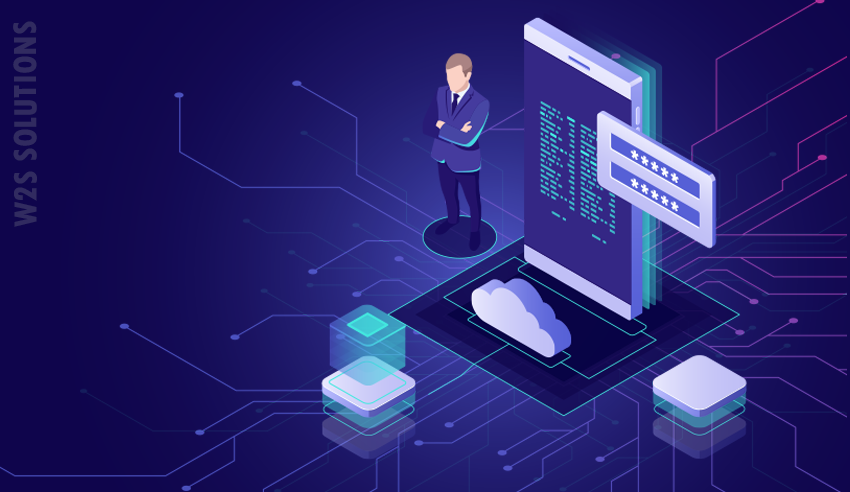
Cloud computing has become very useful in this area. The cloud is a way for businesses to safeguard and access the data online instead of storing it only on a local device or servers. Using cloud services helps the companies to store their data in a single place, so it is easier to reach and manage from anywhere at any time. This cloud storage system makes the process of handling data much simpler and more flexible.
Businesses can bring together information from different areas, when they use the cloud to manage both the IT and OT data. Instead of keeping the data separate, they can combine it and look at the bigger picture. This helps them understand how one part of their operations affect the other, leading to smarter decisions and smoother operations.
Cloud computing has the ability to view data in real time, where the companies can view what is happening in their systems immediately. If anything goes wrong, they can respond rapidly and avoid certain issues. Real-time updates also help in making fast decisions, which is specially useful in industries where time is a critical factor.
A major advantage of cloud is the ability to measure. As businesses grow, they need more space to store data and more power to process it. Cloud platforms can handle this growth easily without the need to buy new machines or build new infrastructure. This flexibility helps the companies of all sizes use the advanced tools and technology without spending a lot of money.
Security is always an interesting and important topic when speaking about data. Some people worry about storing sensitive information in the cloud. However, most of the cloud service providers use a strong protection method to keep the data safe and secure. These include secure access systems, and regular updates to prevent cyber threats. When it is managed properly, cloud systems can actually be safer than storing everything on local computers and storage devices.
Another reason companies choose the cloud is that it makes teamwork easier. Different companies across different locations can access the small data at the same time. This helps the people work together better, no matter where they are. It also allows for faster problem solving and better communication between departments.
Of course, using the cloud also comes with few challenges. One of them is making sure that IT and OT systems can work together smoothly. These systems are mostly built differently and may use different software or formats. To make them work well in the cloud, businesses might need to adjust their systems or use special tools.
Training is another key area, the employees need to learn how to use cloud platforms effectively. This includes knowing how to access the data, how to keep it secure, and how to use the tools the cloud offers. Without proper training, it is harder to get the full benefit of cloud computing.
When moving to the cloud, planning is also very important. Companies need to plan carefully about what data they should move, how to protect it, and how to make sure it is always available when required. Working with experts can assist to make the process smoother and avoid mistakes that are costly.
Beyond these issues, the benefits of cloud computing are clear. Companies that use the cloud to manage both IT and OT data can react faster to changes, make more informed decisions, and improve the working process. They can also save time and money while improving safety and productivity.
As technology changes day by day, the line between IT and OT is becoming less clear. More data is being created as more devices are connected to the internet. By using cloud based systems, businesses can stay current with these changes and be ready for whatever comes next. This allows them to focus on improving their services and growing their business, instead of worrying about outdated systems or scattered data.
Managing IT and OT data in the cloud gives companies better control over their operations. It helps them work smarter, stay safe, and make better use of the resources. With good planning and proper training, cloud transfomation can bring lasting improvements to any business.