As we are marching towards 2025, technological progress shows no signs of slowing down. The coming years promise innovations that will not only transform industries but also change how we live, work, and interact with technology. Let us discuss the top 10 technology trends that are expected to dominate in 2025, driving change and creating new opportunities.
As we look toward the future, it is clear that Artificial Intelligence (AI) is becoming an integral part of our daily lives. One look at the upcoming AI development services is enough to give a glimpse of how AI can enhance automation, streamline repetitive tasks, and enable smarter decision-making in real-time. AI also plays a pivotal role in improving diagnostics, personalizing shopping experiences, and refining business strategies.
We will explore these emerging technologies and their potential impacts on our lives by 2025, highlighting the opportunities and challenges they present. As we navigate this tech-driven landscape, it is important to consider the ethical implications and ensure that advancements serve to improve society as a whole.
Artificial Intelligence (AI)
Artificial Intelligence is becoming more than just a popular term, it is starting to play a big part in our everyday lives. By 2025, AI is set to play a crucial role in enhancing automation, reducing repetitive tasks, and making smarter decisions in real-time. We will see AI becoming more prevalent in sectors like healthcare, finance, retail, and manufacturing, offering improved diagnostics, personalized shopping experiences, and intelligent business strategies. AI’s evolution will also need advancements in natural language processing, making interactions with machines and even more intuitive.
Smart Cities and Urban Transformation
Urban areas are getting smarter, by bringing advancements in data collection, sensor technology, and connectivity. Smart cities aim to optimize city functions, enhance transportation, and improve energy efficiency by using real-time data. In 2025, expect more cities to adopt smart traffic management systems, efficiency energy grids, and automated waste management solutions. The goal is to create more sustainable urban environments that offer higher standards of living while reducing carbon footprints. These innovations will make cities safer, cleaner, and more livable for their residents.
Extended Reality (XR): AR, VR, and Beyond
Expected Reality (XR), encompassing augmented reality (AR) and virtual reality (VR), is expected to create immersive experiences that merge the digital and physical words. XR will revolutionize fields like education, healthcare, and retail by 2025. For example, students can engage in virtual classrooms, medical professionals can use VR for surgical training, and customers can try products in a virtual setting before making purchases. The use of XR will transform how we learn, shop, and entertain ourselves, making experiences more engaging and interactive.
Internet of Things (IoT) Expansion
The Internet of Things (IoT) is set to expand its influence in various domains, connecting billions of devices to create smarter ecosystems. In 2025, IoT will be at the core of smart homes, connected vehicles, and industrial automation. Everyday items like refrigerators, thermostats, and even clothing will become interconnected, sharing data to make our lives more convenient and efficient. For businesses, IoT will lead to better asset management, predictive maintenance, and enhanced customer experiences by enabling data driven decisions.
Cybersecurity Innovations
With more data moving online, cybersecurity will remain a top priority in 2025. The sophistication of cyberattacks is growing, pushing companies to adopt advanced security measures. Technologies like AI and machine learning will be utilized to detect and prevent threats in real-time. The zero-trust model, which assumes that no user or system should be trusted by default, will become the norm in securing networks. As cyber threats evolve, so will the methods to counter them, ensuring data integrity and privacy are maintained.
Quantum Computing Breakthroughs
Quantum computing holds the promise of solving complex problems that are currently beyond the capabilities of classical computers. Although in its development phase, quantum computing is expected to make significant strides by 2025. This technology will have a profound impact on industries such as pharmaceuticals, cryptography, and financial services, allowing for breakthroughs in drug discovery, secure communications, and risk analysis. Its ability to process massive datasets at unprecedented speeds will enable innovation and scientific discovery at new levels.
Bioprinting and Healthcare Advances
The future of healthcare is being shaped by bioprinting, a revolutionary technology that uses 3D printing to create living tissues and organs. By 2025, bioprinting is expected to progress beyond experimental phases into practical applications, potentially transforming organ transplants and regenerative medicine. This technology could lead to personalized treatments and solutions for critical medical conditions, providing hope for patients with limited actions. Advances in bioprinting will also contribute to faster drug development and more accurate disease modeling.
Hyper Automation
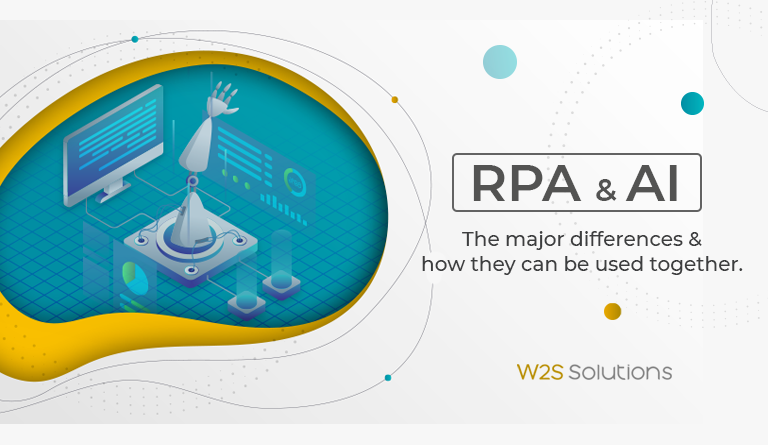
Hyper automation takes traditional automation a step further by integrating advanced technologies like AI, machine learning, and robotic process automation (RPA) into a seamless process. It focuses on automating complex tasks, leading to increased productivity and efficiency across industries. By 2025, hyper automation will play a significant role in transforming business operations, enabling organizations to streamline workflows and reduce costs. It will also create new opportunities for innovation as businesses adapt to more automated environments.
Blockchain Beyond Cryptocurrencies
While blockchain technology is often associated with crypto currencies like Bitcoin, its potential extends far beyond digital currencies. By the upcoming year, blockchain is expected to be widely adopted across various sectors, including supply chain management, healthcare, and finance. Its ability to offer transparency, traceability, and secure data transactions makes it a valuable tool for businesses. Blockchain can help eliminate fraud, reduce paperwork, and enhance the efficiency of business operations, building trust in digital interactions and transactions.
Evolution of the Workforce
The nature of work is undergoing a transformation as technology continues to advance. The future of work in 2025 will be shaped by flexible models, such as remote and hybrid work environments. Companies will increasingly rely on digital tools to enhance communication, collaboration, and productivity. This shift requires workers to adapt to new skills, focusing on creativity, critical thinking, and digital literacy. Lifelong learning and upskilling will become essential for staying competitive in a rapidly changing job market.
The Role of Emerging Technologies
Several other technologies, such as Brain-Computer interfaces (BCIs), digital twins, advanced energy storage, are on the rise. These innovations have the potential to reshape several industries. BCIs could recognize how we interact with machines, while digital twins can improve predictive maintenance in industrial settings. Next-generation batteries will support sustainable energy solutions.
Emphasizing Ethics in a Technological World
As technology becomes more integrated into our lives, ethical considerations are more critical. AI and automation can handle numerous tasks, but human creativity, ethics and decision making remain irreplaceable. It is essential to focus on developing technology that serves humanity in a positive way, ensuring that innovations benefit society as a whole. Balancing technological advancement with ethical practices will be a key to creating a future where technology enhances.
Conclusion
As we approach 2025, these technology trends are set to reshape industries, and create new possibilities for growth and innovation. From AI to IoT to quantum computing and bioprinting, these advancements will have a profound impact on our daily lives and the global economy. Keeping an eye on these trends and understanding their potential applications will be crucial for businesses and individuals looking to stay ahead in the tech-driven world.
The journey into 2025 promises to be existing, with innovations that push the boundaries of what we know today. Embracing these trends while focusing on ethical and sustainable growth will help us build a better future for the future generations.