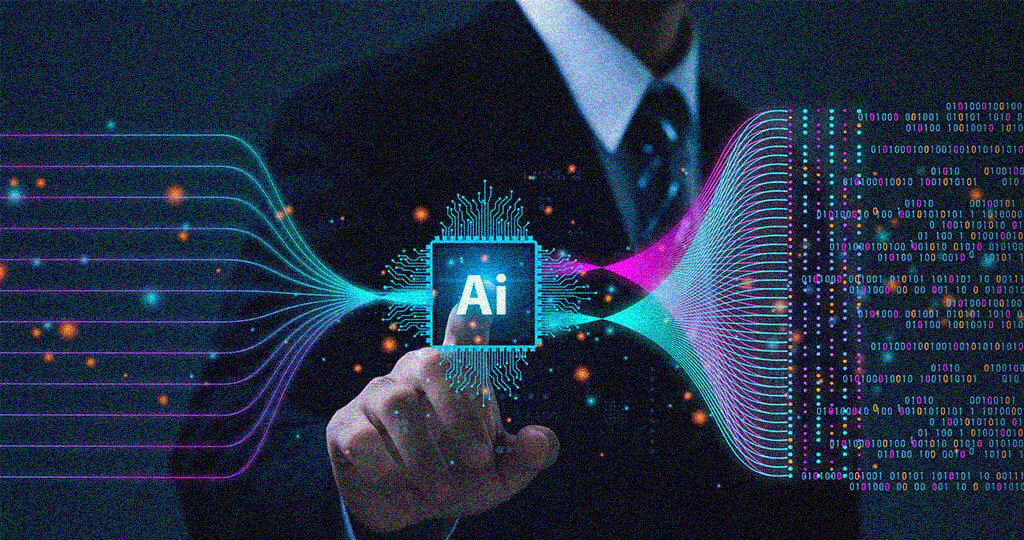
In the competitive landscape of modern technology, companies are constantly looking for ways to stay ahead. Data is everywhere nowadays, we can get data from words, pictures, sound, video, and numbers. That is the reason companies are turning to advanced tools that combine AI agents and multimodal RAG systems. Integrating both the tools make it easier to bring different kinds of data together and turn them into helpful information.
RAG is a powerful way for AI to use information outside, other than its own memory. A multimodal RAG has the capability to go through different kinds of inputs like text, images, audio, or charts. It then generates answers from a wide range of sources. The AI agent sits at the center of this system as the guide, where it acts as a skilled librarian and researcher. When someone asks a question, the AI locates the relevant information across different formats and provides useful responses.
Speed is one of the advantages of using the AI agents. If a researcher is looking into the market trends. They might require numbers from spreadsheets, charts from presentations, news articles, and even interview recordings. Without smart tools it might take too long to get information from it. A multimodal RAG system with AI agents can do it in minutes. It presents a unified overview in a way that is easy to understand.
AI can align data from different sources, integrating an image of a chart with the related textual explanation, or comparing spoken quotes from a video with facts in a report. They can fill in missing parts by going across sources. If a lab result is missing, the agent might fix the missing information by matching the test code to a related PDF document. This helps avoid human erro and produces valuable outputs.
In the real world, this technology makes a huge difference. In the healthcare domain, organizations increasingly depend on enterprise AI solutions to manage large volumes of data such as medical reports, imaging scans, laboratory data, and patient histories. AI can compile all this into a clear summary by analyzing scan images alongside patient records and presenting a unified patient profile. This saves time and allows doctors to focus more on treatment.
In the customer service domain, companies build systems that answer questions about the products. The AI can read the user manuals, analyze tutorial videos, scan reviews, and even images. When a customer asks how to fix a broken object, the system combines the instruction manual text with helpful step by step images or videos. Combining various formats lets the answer to be more helpful and trustable.
In the academic or legal domain, scholars often must analyze long reports, images, charts, statistical tables, and speech transcripts. An AI in a multimodal RAG system can collect these informations, highlight the contradictions, and summarize them in plain language. Researchers can save time and the insights tend to be more clear.
Of course, these technologies have challenges. The AI must understand different data types like interpreting charts, analyzing visuals, and making sense of speech. Privacy, security, and bias are always concerns where the systems must treat sensitive health or legal data carefully, protect the privacy of the user, and avoid mishandling of data that could mislead.
Looking forward, we can expect more intelligent data integration. AI will learn to detect the patterns across each area automatically, or flag the conflicts in the data. In the education domain the students could ask a question and get answers with graphs, images, and even even through videos. In finance, reports in the form of spreadsheet data, market news articles, to provide investment insights in a unified explanation.
The role of human experts remains important. People will still guide these tools, check their findings, and judge when required. The AI and multimodal RAG systems act as powerful assistants, reducing mistakes, but not replacing the decisions made by the human.
Transforming data integration with AI and multimodal RAG systems make it easier to take all forms of information such as text, pictures, speech, numbers, and extract answers that bring value. This approach unlocks smarter, faster, richer workflows in research, medical, business, and learning. As the tools grow more capable, bridging the data formats will become not just possible, but seamless and AI will help us turn raw data into meaningful knowledge.