At some point in every mobile project, usually right after the wireframes are signed off, someone in the room has to make a call nobody wants to make first. Two separate apps for iPhone and Android, or one build that covers both. It looks like a footnote. It’s not. Get it wrong, and you’re either overpaying for performance nobody asked for, or shipping something that quietly feels off to half your users, and you won’t know why until the reviews start coming in.
There’s no clean answer to Native vs Cross-Platform App Development. Anyone telling you otherwise is selling something. What follows is the version of this conversation I’d actually have with a business trying to figure out which side of the fence they belong on.
This is also where experienced mobile app developers in Bangalore can make a difference not by pushing one approach, but by evaluating your users, product requirements, budget, timeline, and long-term maintenance needs before recommending a technology stack.
What Native Actually Costs You, and Buys You
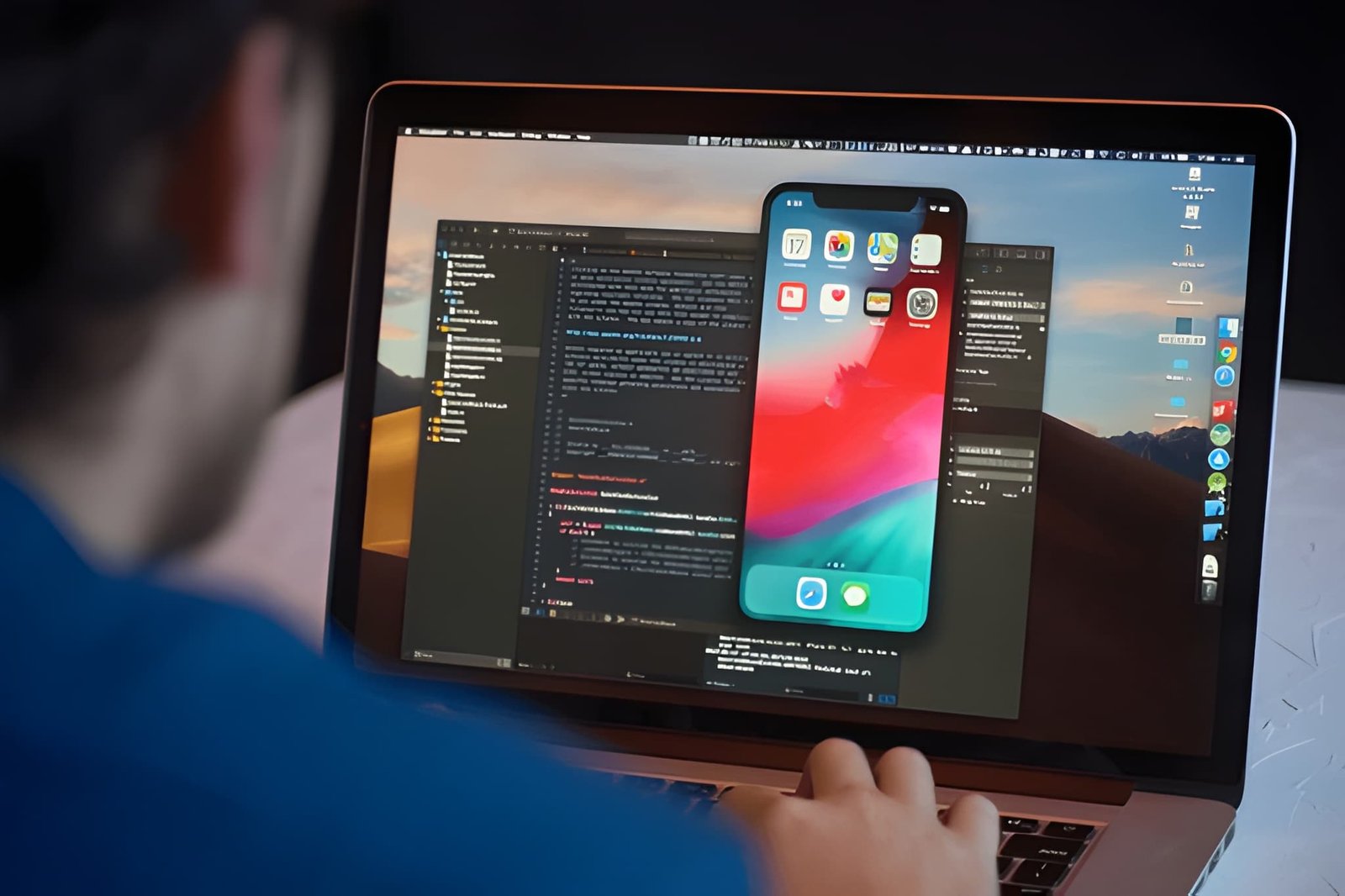
Native App Development means two separate codebases. Swift for iOS. Kotlin for Android. Two builds, often two small teams working in parallel rather than one shared sprint.
It’s more expensive. Not marginally either! Budget for close to double the dev hours in a lot of cases.
What do you get for that money?
Speed and polish that’s hard to fake. Animations don’t stutter. New iOS or Android features show up in your app the week they launch, not three months later once a framework team gets around to supporting them. Camera-heavy apps, AR features, anything leaning on device sensors, native handles it without the workarounds a cross-platform sometimes needs.
What Cross-Platform Actually Gets You
Flutter and React Native let a team write once and ship to both platforms. One codebase. One team. Usually a faster launch, sometimes by months, not weeks.
Five years ago, cross-platform apps had a certain feel to them, slightly stiff animations, buttons that responded a beat too slow. Users couldn’t always name it, but they felt it. That gap has closed a lot. For most business apps, a shopping app, a booking tool, an internal dashboard, nobody notices the difference anymore. Push into something demanding, real-time video, complex gestures, and the gap reappears.
iOS and Android Don’t Want the Same Thing From You
Here’s what a lot of teams skip past. iOS and Android aren’t the same app with a different paint job. Apple designed iOS around a tight, controlled set of gestures and screen sizes. Android runs on thousands of device configurations, which means testing headaches iOS simply doesn’t have.
Build one app and ship it to both without accounting for that, and you get something that feels natural on one platform and slightly wrong on the other. Not broken. Just off. Users feel it before they can explain it, and it costs you retention numbers you’ll never trace back to the real cause.
The Budget Question, Answered Honestly
For a simple app, say a basic booking tool or a straightforward e-commerce front end, the cost gap between native and cross-platform is smaller than most people assume. Once you add in the extra testing cross-platform needs to feel right on both platforms, the numbers get closer than the marketing materials suggest.
Complexity is where they split. Heavy animation. Real-time data. Deep hardware access. Native usually wins on cost here too, because forcing cross-platform to handle it well eats up nearly as much specialized engineering time as just building native from scratch. At that point, cross-platform’s whole pitch, cheaper and faster, stops being true.
The Number Nobody Budgets For
Everyone plans for the launch cost. Almost nobody plans properly for what comes after. Native means two codebases forever. Every bug fix, every feature, gets built twice unless you’ve got two teams running independently.
Cross-platform sidesteps most of that. One codebase to patch, one release to test, one team instead of two specialized ones. If you’re shipping updates monthly, and most apps end up doing exactly that whether the original plan accounted for it or not, this is where cross-platform earns back what it might’ve cost you at launch.
So, Which One
A few things hold up. Performance-heavy, animation-heavy, hardware-dependent app? Native. Testing an idea, tight budget, need both platforms live by a specific date? Cross-platform.
Your team matters as much as the spec sheet. A native team fighting through a new framework will move slower than if they were building native, even if cross-platform looks better on paper. Same story in reverse for a Flutter-native team suddenly asked to write Swift. This isn’t only a technical call. It’s also just: what can your people actually build well without three extra months of ramp-up.
Pick the Team Before You Pick the Framework
A decent IT company will give you a straight answer here instead of steering you toward whatever they happen to sell. Watch for that bias. A shop that only builds native will find reasons native fits your project. A Flutter shop will do the same thing in reverse, dressed up as objective advice.
If you’re talking to a mobile app development company in Bangalore, skip the generic pitch. Ask them what they’d actually build for your use case, not which framework they personally prefer. Ask what happens if your requirements shift three months in, because they will. If they’re pushing cross-platform, ask exactly how they plan to handle the platform-specific rough edges. That’s where the mediocre builds get exposed.
It’s Rarely the Framework’s Fault
Businesses argue about native versus cross-platform far more than the choice actually deserves, because execution beats framework almost every time. A sharp team building cross-platform will beat a sloppy native build, easily. The reverse holds too. The framework is one decision among many, not the whole project.
Clear requirements. A team that tells you the truth about tradeoffs. Real testing instead of shortcuts. Get those right, and either path lands somewhere good. Skip them, and no framework choice saves a rushed build.
Weighing this for your own project? W2S Solutions can walk through which approach actually fits what you’re building. Reach out to our team, and we’ll go through the specifics together.