A salon owner in Indiranagar told her staff to stop taking bookings over WhatsApp last year. Surprising? Well, not really.
If you look at it practically, the decision was not made because customers minded it, they didn’t, but because every double-booked slot, every missed message buried under fifty others, was costing her real money every single week.
She switched to a proper system within two months. Her no-show rate dropped by nearly a third.
For businesses considering a similar move, working with a software development company in Bangalore can help turn existing booking processes into a custom system that fits their actual operations, integrations, and customer workflows.
That’s the quiet story behind why so many businesses are moving off spreadsheets, phone calls, and generic booking widgets toward customer scheduling software built specifically around how they actually operate. It’s not a trend chasing shiny new tech. It’s businesses getting tired of losing money to something as basic as scheduling.
The Real Cost of “Good Enough” Booking Systems
Most businesses don’t start with a plan. They start with whatever’s free or cheap: a shared calendar, a booking widget bolted onto their website, a WhatsApp group that somehow became the entire scheduling department. It works, until it doesn’t.
The failure points are predictable. Double bookings during busy hours. Staff manually copying appointments between three different tools because nothing talks to anything else. Customers who book, forget, and never get a reminder because the system doesn’t send one. None of these look like big losses individually. Add them up over a year and they’re often the difference between a service business that’s profitable and one that’s just scraping by.
What a Proper Booking Management System Actually Solves
A well-built Booking management system does the boring, invisible work that generic tools skip. It checks staff availability in real time instead of relying on someone to update a shared sheet. It sends automated reminders that cut no-shows meaningfully, some businesses see drops of 20 to 30 percent just from that one feature. It handles cancellations and reschedules without a human having to manually untangle a calendar afterward.
The difference between this and a basic online booking form isn’t features on a list. It’s what happens at 6 p.m. on a Friday when three people try to book the same slot at once, or a staff member calls in sick and forty appointments need reshuffling without anyone spending their whole morning on the phone.
Why Off-the-Shelf Tools Stop Working Past a Certain Point
Generic scheduling tools are fine at small scale. A single-location business with one type of service can usually get by. Add multiple locations, different service durations, staff with different specialties, or integration needs with a CRM and payment system, and generic tools start showing their limits fast.
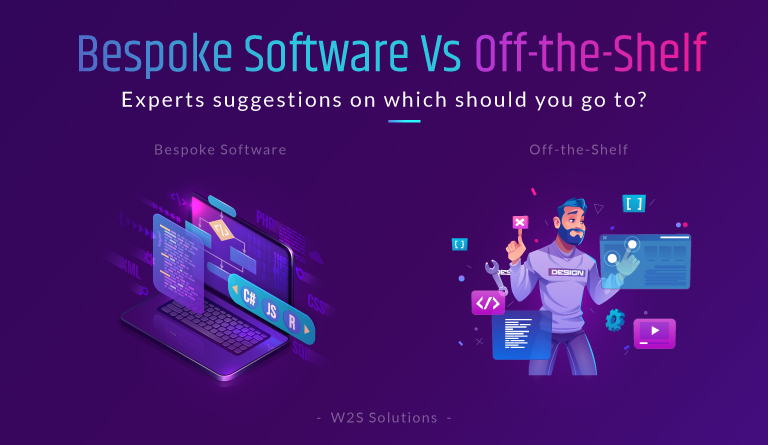
This is usually the point where Booking software development starts making more financial sense than continuing to pay for a stack of disconnected tools patched together with workarounds. A custom build means the scheduling logic actually matches how your business runs, instead of your business bending itself around a tool’s limitations.
Industries Where This Shift Is Happening Fastest
The sector embracing this shift the fastest is healthcare. Clinics need scheduling that respects doctor specialties, insurance rules, and appointment types that vary wildly in length.
Next comes salons and spas. They need staff-specific booking with service add-ons that change duration on the fly. Also, fitness studios need class capacity limits and waitlists that actually function. Repair and field service businesses are not far behind. They also need scheduling tied to technician location and travel time, not just a generic open time slot.
Each of these needs something different enough that a one-size-fits-all tool starts feeling like a compromise fairly quickly. That’s exactly why so many businesses in these categories end up commissioning something built specifically for them rather than adapting yet another SaaS product that’s 80 percent right.
Take a multi-location fitness chain as an example. Class capacity needs to sync across branches in real time, a waitlist has to actually trigger a notification the second a spot opens, and instructors need to see their own schedule without wading through every other trainer’s bookings.
None of that is unusual to ask for, but stitching it together from three separate tools, one for scheduling, one for payments, one for messaging, tends to break down the moment volume picks up. A custom build handles all three as one connected system instead of three things a manager has to reconcile by hand every evening.
What Businesses Actually Ask For When They Start This Process
The requests are usually pretty consistent. Real-time availability that doesn’t lag or double-book. Automated reminders through SMS or WhatsApp, since email reminders get ignored far more often. Integration with existing payment systems so deposits and cancellations don’t require manual follow-up. Reporting that shows which staff, services, or time slots are actually driving revenue, instead of guessing based on gut feeling.
None of this is exotic. It’s just specific enough that generic tools rarely handle all of it well at once, which is exactly the gap custom development fills. A lot of business owners are surprised to learn how much of their existing “process” is actually just a person quietly compensating for software that doesn’t do its job properly, sending manual reminders, double-checking a calendar by hand, calling customers to confirm something the system should have confirmed automatically.
Finding the Right Team to Build It
This is where local expertise genuinely helps, since a team that understands how businesses actually operate in your market builds something more useful than a distant vendor working purely off a requirements document. If you’re looking at a software development company in Bangalore, ask them directly how they’d handle your specific scheduling logic, not just how fast they can turn around a generic build.
Software development cost in Bangalore for a project like this varies a lot depending on complexity; whether you need multi-location support, payment integration, or custom reporting all change the number significantly. A straightforward single-location booking tool costs far less than a multi-branch system tied into three other pieces of software. Get a proper scoping conversation before assuming a number either way.
Getting the Rollout Right
Businesses that get real value from a custom build usually start narrow. One location, one core workflow, proven out before expanding to everything else. They involve the staff who’ll actually use it daily during testing, since front-desk staff and technicians usually spot the friction points a business owner never would.
The ones that struggle tend to skip that step, building everything at once and hoping it works perfectly on day one. It rarely does, and fixing it after a rushed launch costs more than getting the scoping right the first time.
Where This Leaves Most Businesses
Scheduling seems like a small operational detail until you start adding up what a bad system actually costs, missed bookings, wasted staff time, customers who quietly stop coming back because booking was more annoying than it needed to be. A system built around how your business actually runs tends to pay for itself faster than most owners expect.
If you’re weighing whether a custom booking system makes sense for your business, W2S Solutions can help scope out what that would actually look like. Reach out to our team to talk through the specifics.